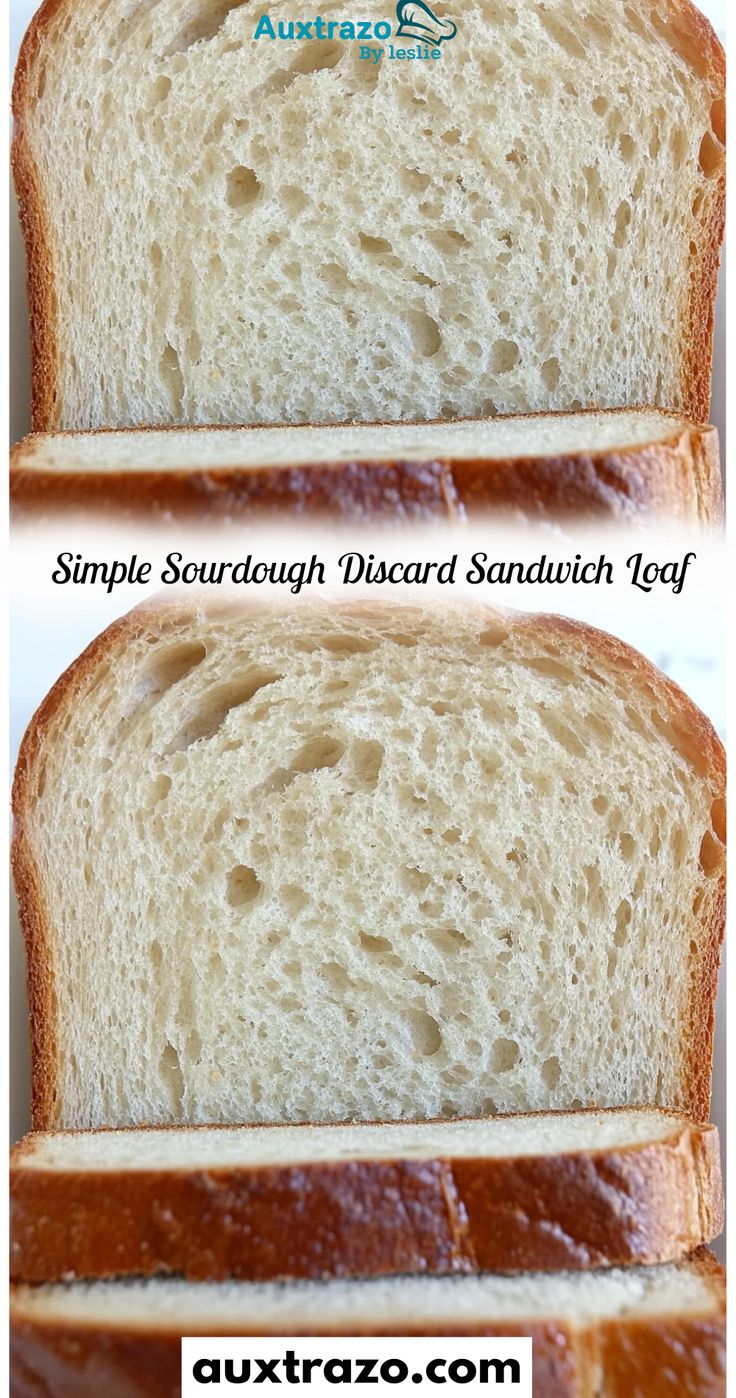
Embrace the Simplicity: Your Journey to Effortless Sourdough Sandwich Bread
For many aspiring home bakers, the world of sourdough can seem daunting. Visions of intricate shaping, precise scoring, and heavy Dutch ovens often lead to hesitation. But what if we told you that creating a delicious, soft-crumbed sourdough loaf, perfect for sandwiches and toast, could be incredibly straightforward? Forget the complexities; it's time to discover the magic of truly
easy sourdough sandwich or toasting bread. This guide is designed to demystify the process, proving that a humble yet utterly delightful sourdough loaf is well within your reach, even if you're a complete novice.
Imagine waking up to the aroma of freshly baked bread, slicing into a tender loaf with a buttery crust, knowing you made it yourself with minimal fuss. This isn't just about baking; it's about reclaiming a fundamental pleasure, providing wholesome, flavorful bread for your family's breakfast, lunch, or even a cozy grilled cheese dinner. This particular recipe stands out because it strips away all the intimidating elements of traditional sourdough, focusing instead on simplicity, flavor, and a truly adaptable end product. It’s the perfect entry point for anyone eager to explore the world of sourdough without feeling overwhelmed.
What Makes This Sourdough Sandwich Bread So Easy?
The beauty of this
easy sourdough sandwich bread lies in its elegant simplicity, fundamentally rethinking what sourdough baking can be. Unlike the crusty boules that often dominate sourdough conversations, this recipe prioritizes convenience and a practical outcome.
Firstly, let's talk ingredients: you only need flour, water, salt, and your active sourdough starter. That’s it – four basic components that transform into something truly special. There's no need for added yeast or sugar, as your robust sourdough starter provides all the leavening and flavor development. This keeps the ingredient list short and the process pure.
Secondly, the technique is refreshingly un-fussy. Forget about complicated shaping routines or the need for a preheated Dutch oven to achieve that perfect crust. This dough is designed to be mixed in a single bowl, often with nothing more than a spatula. Its high hydration is key; while it might feel a bit sticky, this is precisely what contributes to the incredibly soft, tender crumb that makes it ideal for sandwiches. You simply mix, let it rise, transfer it to a standard loaf pan, and bake. The loaf pan does all the shaping for you, ensuring a consistent, easy-to-slice shape every time. This minimalist approach also means:
- No complicated shaping: Just pour the dough into your buttered loaf pan.
- No scoring required: The dough rises beautifully without fancy cuts.
- No Dutch oven needed: A regular oven and a loaf pan are all you need for a soft crust.
- Minimal equipment: A mixing bowl, spatula, and loaf pan are your primary tools.
This straightforward method is why many experienced bakers recommend this type of recipe as an ideal first sourdough project. It allows beginners to focus on understanding the basics of sourdough fermentation without getting bogged down by advanced techniques. It’s a confidence-builder, yielding a delicious, tangible result with minimal effort, making homemade sourdough a joyful and accessible endeavor. You might find this approach resonates with the philosophies behind
Ingredient Sourdough Sandwich Bread: No Knead, No Dutch Oven, which similarly champions simplicity.
Mastering Your Loaf: Practical Tips for Beginner Sourdough Bakers
While this recipe emphasizes ease, a few insights can further guarantee your success and elevate your
easy sourdough sandwich or toasting bread to new heights.
Ensure an Active Sourdough Starter
This is the heart of your bread. Your starter should be fed and active, ideally within 4-8 hours of feeding, showing plenty of bubbles and having a slightly domed top. If it’s sluggish, give it another feed or two until it’s vigorous. A strong starter ensures good rise and flavor.
Embrace High Hydration
The dough for this sandwich bread is typically high hydration, meaning it has a relatively high water content compared to flour. Don't be alarmed if the dough feels looser or stickier than other bread doughs you might have worked with. This is intentional and contributes directly to the soft, airy crumb we're aiming for. Resist the urge to add too much extra flour during mixing, as this can result in a drier, denser loaf.
Understand Bulk Fermentation (First Rise)
This is where the magic happens. After mixing your dough, you’ll let it rise at room temperature. The duration will depend on your kitchen's temperature and your starter's activity. Look for visual cues: the dough should increase significantly in volume (often doubling or even more), become bubbly, and show signs of life. For a richer flavor profile or a more convenient schedule, you can also opt for a longer, slower bulk fermentation in the refrigerator overnight after a few hours at room temperature.
Properly Prepare Your Loaf Pan
A well-greased (butter or oil works wonderfully) loaf pan is crucial for easy removal and a beautiful crust. You can also lightly flour the greased pan if you wish, though often just greasing is sufficient. This simple step ensures your beautiful loaf slides out effortlessly.
Don't Skimp on Cooling Time
Patience is a virtue, especially after baking. While tempting to slice into a warm loaf, resist! Bread continues to cook and set as it cools. Slicing too early can result in a gummy texture. Let your bread cool completely on a wire rack for at least 1-2 hours, or even longer, before cutting into it. This step is vital for achieving the perfect crumb and sliceability.
Experiment with Flour Blends
While all-purpose flour works perfectly, feel free to experiment with a small percentage of whole wheat or spelt flour for added depth of flavor and nutrition. Start with replacing 10-20% of the white flour with your preferred whole grain flour.
These tips will not only help you achieve a consistently delicious loaf of
easy sourdough sandwich or toasting bread but will also build your intuition and confidence as a sourdough baker. For more detailed insights into achieving that perfect soft texture, consider exploring resources like
The Ultimate Soft Sourdough Bread for Sandwiches and Toast.
Beyond the Sandwich: The Incredible Versatility of Your Homemade Loaf
While the name "sandwich bread" clearly states its primary purpose, don't let that limit your imagination! This tender, flavorful loaf is incredibly versatile, making it a true workhorse in your kitchen. Its soft crumb and subtle sourdough tang lend themselves to a multitude of culinary applications.
Perfect for Toasting
As the name "toasting bread" suggests, this loaf excels when lightly toasted. Whether slathered with butter and jam for a classic breakfast, topped with avocado and a poached egg, or serving as the base for a savory bruschetta, the subtle crispness of toasted sourdough combined with its chewy interior is simply divine.
The Ultimate Sandwich Foundation
Of course, its destiny is often to cradle your favorite fillings. From a simple turkey and cheese to a gourmet grilled chicken and pesto, the bread's soft texture and sturdy structure hold up beautifully. It's especially fantastic for grilled cheese, where its slight tang complements the richness of melting cheese, creating a truly elevated experience. French dip sandwiches, reubens, or even a simple peanut butter and jelly are transformed by homemade goodness.
Creative Culinary Uses
Don't let any leftover slices go to waste!
- Croutons: Cut into cubes, toss with olive oil and herbs, and bake until crispy for salads or soups.
- Breadcrumbs: Process stale bread into fresh breadcrumbs for coating cutlets, topping casseroles, or making meatballs.
- French Toast: The slightly denser texture of a day-old loaf makes for spectacular French toast, soaking up the custard without falling apart.
- Bread Pudding: Transform stale pieces into a comforting, rich bread pudding, either sweet or savory.
- Garlic Bread: Slice, spread with garlic butter, and bake for an irresistible side dish.
This versatility not only adds value to your homemade efforts but also encourages a no-waste approach in the kitchen, ensuring every bit of your delicious
easy sourdough sandwich or toasting bread is enjoyed to its fullest.
Conclusion: Your New Favorite, Easy Sourdough Staple
Embarking on your sourdough journey with this effortless sandwich bread recipe is a decision you won't regret. It successfully strips away the intimidation often associated with sourdough, offering a clear, achievable path to baking a truly exceptional loaf at home. By focusing on simple ingredients, minimal equipment, and straightforward techniques, it proves that "easy" doesn't mean compromising on flavor or texture. You’ll be rewarded with a soft, tender, and incredibly versatile loaf that's perfect for all occasions, from daily sandwiches to luxurious breakfast toasts. This
easy sourdough sandwich or toasting bread isn't just a recipe; it's an invitation to a more satisfying, self-sufficient, and delicious way of living. So grab your starter, butter your loaf pan, and get ready to enjoy the unmatched satisfaction of homemade sourdough.