Beyond the Boule: Why Soft Sourdough Reigns Supreme for Everyday Use
When you hear "sourdough bread," what often comes to mind is a rustic, crusty boule with a dramatically open crumb – a magnificent testament to the baker's skill. While these artisanal masterpieces certainly deserve their praise, there's a quieter, equally deserving hero in the world of fermented delights: the
easy sourdough sandwich or toasting bread. This humble loaf offers unparalleled utility and comfort, perfectly suited for the rhythms of daily life.
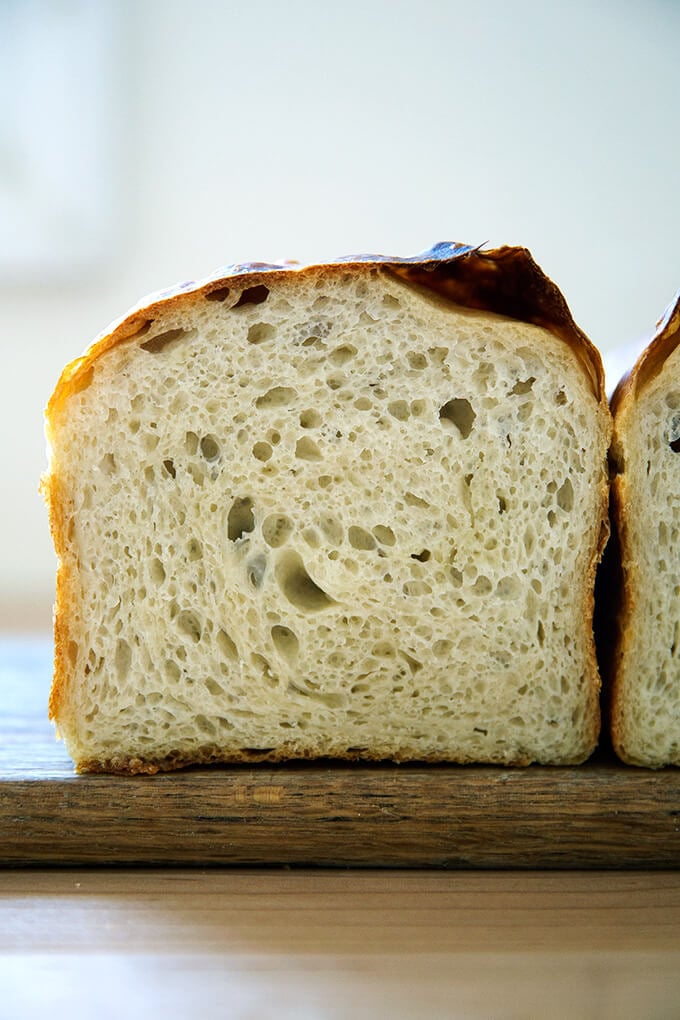
Imagine slicing into a loaf so tender it barely resists the knife, revealing a soft, airy interior. This isn't just any bread; it's a homemade sourdough loaf designed specifically for utility. Gone are the days of wrestling with overly chewy crusts or crumbs that disintegrate under the pressure of sandwich fillings. This soft, pliable bread holds its shape beautifully, making it ideal for everything from classic deli sandwiches to gooey grilled cheeses. And when it comes to toast? The slight tang of sourdough, combined with a perfectly soft texture, transforms a simple breakfast into an experience. It absorbs butter and jams like a dream, providing a satisfying chew without being dense or heavy. It’s the kind of bread that truly elevates everyday meals, proving that the most celebrated sourdough isn't always the one with the most dramatic appearance, but often the one that best serves its purpose in your kitchen.
Demystifying Sourdough: An Effortless Approach to Baking
The allure of homemade sourdough can often be overshadowed by its perceived complexity. Many aspiring bakers are intimidated by intricate shaping techniques, precise scoring, and the necessity of specialized equipment like heavy Dutch ovens. However, the beauty of crafting an
easy sourdough sandwich or toasting bread lies in its liberating simplicity. This recipe strips away the fuss, offering a straightforward path to delicious, homemade sourdough that's perfect for beginners and seasoned bakers alike who are looking for a less demanding bake.
This approach focuses on basic techniques, emphasizing mixing and fermentation rather than elaborate artistry. There's no need for complicated folds or trying to achieve that "ear" on your loaf. Instead, you'll find joy in a simple mix-and-pour method, allowing the sourdough starter to do the heavy lifting. This makes it an ideal first sourdough project, building confidence and providing a tangible, delicious reward with minimal stress. If you're new to the world of sourdough and feel daunted by the traditional methods, this recipe is your gateway to success, proving that exceptional sourdough doesn't have to be hard.
The Magic of Minimal Ingredients
At its heart, this exceptional bread relies on just four fundamental ingredients: flour, water, salt, and your active sourdough starter. This minimalist approach is not only cost-effective but also highlights the incredible transformative power of fermentation. By focusing on these core elements, you allow the natural flavors of the grains and the nuances of your starter to truly shine. There are no added sugars or commercial yeast – just pure, unadulterated sourdough goodness. This simple combination is a direct adaptation of time-honored peasant bread traditions, where utility and robust flavor were paramount, updated for the sourdough era. This straightforward ingredient list means you likely already have everything you need in your pantry, making spontaneous baking sessions a real possibility.
No Dutch Oven? No Problem!
One of the most appealing aspects of this soft sourdough recipe is its accessibility regarding equipment. Forget the specialized, preheated heavy Dutch oven often associated with artisanal sourdough. For this loaf, all you need is a basic bread loaf pan. This makes the baking process incredibly simple and removes a significant barrier for many home bakers. The loaf pan provides the necessary structure, encouraging the dough to rise vertically and create that classic sandwich-slice shape, all while contributing to an even bake and a wonderfully soft crust. This practical approach ensures that anyone with a mixing bowl, a spatula, and a loaf pan can achieve fantastic results, making homemade sourdough a reality for every kitchen. For more details on minimalist approaches to sourdough, check out our guide on
Ingredient Sourdough Sandwich Bread: No Knead, No Dutch Oven.
Crafting the Perfect Crumb: Tips for a Tender Loaf
The defining characteristic of this ultimate sourdough bread is its incredibly soft and tender crumb, making it perfect for both delicate sandwiches and hearty toast. Achieving this desirable texture isn't accidental; it's a result of specific choices in the recipe and technique. Understanding these elements will empower you to consistently bake a loaf that exceeds expectations.
Hydration Harmony
The secret to this bread's signature softness lies in its high hydration. High-hydration doughs – meaning they contain a relatively large proportion of water compared to flour – produce more steam during baking. This steam contributes directly to an open, airy crumb and a wonderfully tender texture, preventing the bread from becoming dense or dry. While high hydration can sometimes make dough a little trickier to handle, in this specific recipe, where complex shaping is omitted, it simply means you'll be working with a looser, more relaxed dough that's easy to mix and pour into your loaf pan. Don't be alarmed if the dough feels stickier than traditional bread doughs; embrace it, as it's the key to your soft crumb.
The Starter's Role
Your sourdough starter is the living heart of your bread, and its health directly impacts the final texture and flavor. For a light and airy loaf, ensure your starter is vigorous and active. This means it should be bubbly, have a pleasant tangy aroma, and consistently double or triple in size after being fed. A robust starter provides the necessary lift and strength to create that open, soft interior, and contributes to the bread’s characteristic sourdough tang without being overwhelmingly sour. If your starter seems sluggish, give it a few consistent feedings to get it back to peak performance before baking.
Fermentation Fundamentals for Softness
Proper fermentation is crucial for both flavor development and texture. This recipe typically involves a bulk fermentation period followed by a final proof.
*
Bulk Fermentation: This is where the magic really happens. The dough ferments at room temperature, developing strength, extensibility, and flavor. During this phase, the yeast and bacteria in your starter consume sugars, producing gas that creates air pockets, and acids that develop the sourdough flavor. Signs of proper bulk fermentation include a noticeable increase in volume (often 30-50%), a domed surface, and small bubbles visible on the dough's surface. The exact timing will depend on your room temperature and starter activity.
*
Final Proof: After the dough is placed in the loaf pan, it undergoes a final proof, often in the refrigerator (cold proofing) for convenience and enhanced flavor. Cold proofing slows down fermentation, allowing flavors to deepen, and makes the dough easier to handle. It also contributes to a more tender crumb by preventing over-proofing, which can lead to a dense, gummy texture. When ready to bake, the dough should look visibly risen in the pan, though not necessarily doubled, and feel slightly jiggly.
Versatility on Your Plate: More Than Just a Sandwich Base
While its primary purpose is to serve as an outstanding foundation for sandwiches and toast, the utility of this
easy sourdough sandwich or toasting bread extends far beyond those delicious applications. Its tender interior and subtle tang make it an incredibly versatile component in countless meals throughout the day.
For breakfast, beyond classic toast, consider transforming day-old slices into gourmet French toast or a delightful breakfast strata. Its robust flavor stands up well to eggs, syrups, and berries. At lunchtime, think beyond cold cuts: use it for the ultimate grilled cheese, where the soft crumb crisps beautifully in the pan, or create flavorful paninis.
In the evening, this bread can become an excellent accompaniment to soups and stews, perfect for soaking up rich broths. Cut into cubes, it makes fantastic homemade croutons for salads, offering a superior texture and flavor compared to store-bought varieties. You can also toast slices and rub them with garlic for bruschetta or crostini, serving as a base for endless toppings. Even as an ingredient, this bread shines: whiz stale pieces into fresh breadcrumbs for coating chicken or topping casseroles. Its adaptability truly makes it a kitchen staple, minimizing waste and maximizing deliciousness.
Your First Loaf: A Beginner's Guide to Success
Embarking on your sourdough journey with an
easy sourdough sandwich or toasting bread recipe is a fantastic choice. Its forgiving nature and straightforward process build confidence and provide a strong foundation for future baking adventures. Here are some actionable tips to ensure your first loaf, and every subsequent one, is a resounding success.
1.
Understand Your Starter: As mentioned, an active starter is paramount. Learn to recognize its peak activity – when it's most bubbly and has roughly doubled after feeding. This is the optimal time to mix your dough. A sleepy starter will result in a dense, under-risen loaf.
2.
Temperature Matters: Both your kitchen temperature and the dough's temperature influence fermentation. Warmer environments speed things up, colder ones slow them down. Pay attention to the visual cues of your dough (rising, bubbles) rather than rigidly sticking to timings provided in a recipe, as they are often guidelines.
3.
Hydration is Key, But Adjustable: While high hydration contributes to softness, don't be afraid to slightly adjust the water content if your flour absorbs differently or if the dough feels unmanageably sticky. Start with the recipe's recommendation, but learn to feel the dough. It should be sticky but come together.
4.
Patience is a Virtue: Sourdough baking isn't a race. Allow the dough to ferment fully during bulk fermentation and proofing. Rushing these steps can lead to a less flavorful, denser bread. Look for the signs of readiness rather than just the clock.
5.
Don't Overmix or Undermix: For this simple recipe, a good mix until ingredients are well combined and there are no dry spots is sufficient. Overmixing isn't a major concern here as it would be with kneaded doughs, but ensure everything is uniformly incorporated.
6.
Grease Your Pan Generously: To ensure an easy release and a beautiful, even crust, make sure your loaf pan is well-greased, perhaps even buttered and floured for extra assurance.
7.
Trust Your Senses: Observe your dough, smell it, feel it. These sensory cues will tell you more about its readiness than any timer alone.
8.
Embrace Imperfection: Your first loaf might not be perfect, and that's okay! Each bake is a learning experience. The taste will likely still be incredible, and you'll gain valuable insights for your next attempt.
For a deeper dive into making your sourdough sandwich bread experience truly seamless, explore our
Effortless Sourdough Sandwich Bread: The Beginner-Friendly Guide.
In conclusion, the journey to baking the ultimate soft sourdough bread for sandwiches and toast is one of simplicity, utility, and immense satisfaction. By demystifying the process and focusing on the core principles of an active starter, proper hydration, and patient fermentation, even beginners can achieve a beautifully tender, flavorful loaf. This versatile bread proves that some of the greatest culinary triumphs come not from complexity, but from mastering the basics and creating something truly adaptable for everyday enjoyment. So grab your mixing bowl, feed your starter, and prepare to elevate your sandwiches, toast, and countless other meals with this wonderfully accessible sourdough creation.