Ingredient Sourdough Sandwich Bread: No Knead, No Dutch Oven – Your Path to Effortless Homemade Bread
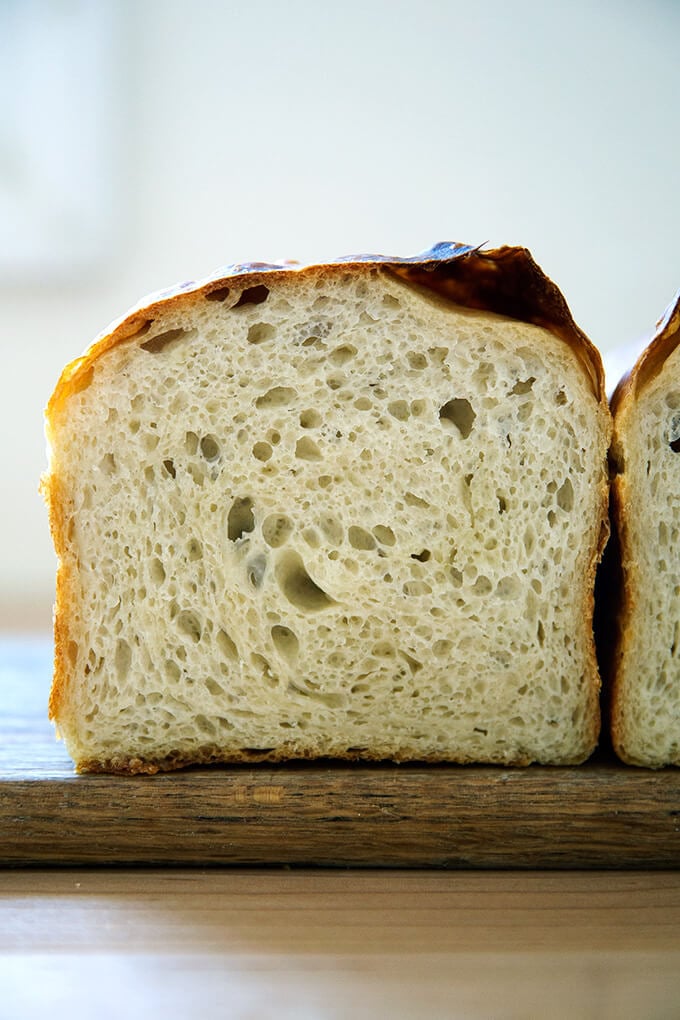
Imagine a warm slice of homemade sourdough bread, its crust delicately golden, its interior impossibly soft and tender. Now, imagine achieving this perfection without the traditional sourdough hurdles: no arduous kneading, no complex shaping rituals, and no heavy, preheated Dutch oven. Sound too good to be true? Welcome to the world of Ingredient Sourdough Sandwich Bread – a game-changer for anyone craving the wholesome goodness of sourdough with remarkable ease. This isn't just bread; it's a testament to simplicity, designed to be the ultimateeasy sourdough sandwich or toasting bread
you’ll ever make. For too long, sourdough has carried a reputation for being intimidating, a culinary challenge reserved for seasoned bakers. Crusty boules with their intricate scoring and airy, open crumbs certainly have their place, but we'd argue that a humble sandwich loaf deserves just as much, if not more, acclaim. Its utility is unmatched, its comfort undeniable, and with this recipe, its assembly is astonishingly straightforward. Forget the elaborate techniques; grab a mixing bowl, a spatula, and your trusty loaf pan. This recipe champions minimalism, transforming a mere four ingredients – flour, water, salt, and active sourdough starter – into a loaf that’s both deeply satisfying and incredibly versatile.The Allure of Effortless Sourdough: Why Simplicity Reigns Supreme
The phrase "sourdough bread" often conjures images of demanding schedules and specialist equipment. Many aspiring bakers are deterred by the seemingly endless steps: stretch and folds, bulk fermentation in specific containers, cold proofing, and the often-daunting Dutch oven bake required for that signature crust. This Ingredient Sourdough Sandwich Bread shatters those misconceptions, presenting a method so streamlined, it often becomes a go-to for complete beginners. It’s an ideal entry point for those venturing into the rewarding world of sourdough baking, right alongside other forgiving recipes like sourdough focaccia. What makes this recipe revolutionary? It's fundamentally built on two core principles: no kneading and no Dutch oven.- No Kneading: Instead of laboriously developing gluten through physical manipulation, this recipe harnesses the power of time and hydration. A simple mix is all that’s required. The dough's high hydration, combined with a patient bulk fermentation, allows the gluten to develop naturally over several hours. This "autolyse" effect and subsequent rest periods do all the hard work for you, freeing up your hands and your schedule.
- No Dutch Oven: While Dutch ovens are fantastic for creating a steamy environment for boule baking, they're not necessary here. This recipe embraces the practicality of a standard bread loaf pan. The loaf pan provides structure, ensures even baking, and creates that classic rectangular shape perfect for slicing. The result is a soft, buttery crust without the need for specialized equipment or intricate steam setups, making it incredibly accessible for any home kitchen.
Demystifying the Magic: Ingredients and Process
At its heart, this Ingredient Sourdough Sandwich Bread is an elegantly adapted version of timeless peasant bread, reimagined without commercial yeast or added sugar. The power lies in its simplicity and the intelligent use of just four core ingredients, each playing a vital role in creating that wonderfully soft crumb and delicious flavor.The Four Pillars of Perfect Sourdough Sandwich Bread:
- Flour: Typically, a good quality all-purpose or bread flour is ideal. Bread flour, with its higher protein content, will yield a slightly chewier crumb, while all-purpose flour provides a beautifully tender texture. The starch in the flour, when combined with water, forms the backbone of your bread.
- Water: This is where the magic of "high hydration" comes in. This dough typically has a higher water-to-flour ratio than traditional doughs, which is key to achieving that incredibly soft, almost pillowy interior. Don't be alarmed if the dough seems stickier than what you might be used to; this stickiness is your friend, contributing to the delicate crumb.
- Salt: Far from being just a seasoning, salt plays a crucial role in bread baking. It enhances flavor, regulates the fermentation process by slowing yeast activity, and strengthens the gluten structure, contributing to a better crumb.
- Active Sourdough Starter: This is the soul of your sourdough. An active starter, fed and bubbly, is essential for providing the leavening power that makes your bread rise, and it imparts that characteristic tangy flavor profile. Ensure your starter is robust and vigorous – a common recommendation is to use it when it has doubled or tripled in size after a recent feeding.
- Simple Mix: Combine your four ingredients in a bowl using a spatula or your hands until just combined. There’s no need for extensive kneading; simply ensure all the flour is hydrated.
- Bulk Fermentation (The Rise): Cover the bowl and let the dough rest at room temperature for several hours. This is where the sourdough starter works its magic, developing flavor and strength. The duration will depend on your kitchen temperature and starter activity. You're looking for visible signs of activity – bubbles, a slight increase in volume.
- Shape and Pan: Without complicated shaping, simply coax the dough into your buttered loaf pan. A gentle fold or two might be useful, but elaborate techniques are entirely unnecessary.
- Final Proof: Allow the dough to rise in the loaf pan, typically for a few hours, until it looks visibly puffy and has expanded nicely.
- Bake: Transfer the pan to a preheated oven. The beauty here is that the loaf pan provides all the support needed, ensuring a consistent bake and a beautiful golden crust.
Beyond the Loaf: Versatility and Enjoyment
The true beauty of this Ingredient Sourdough Sandwich Bread lies not only in its effortless creation but also in its incredible versatility. The soft, tender crumb and subtle sourdough tang make it the perfect canvas for an endless array of culinary delights. Picture this:- The Ultimate Sandwich Base: Its sturdy yet yielding texture holds up beautifully to all your favorite fillings, from classic deli meats and cheeses to gourmet spreads and fresh vegetables. Imagine a grilled cheese sandwich made with this bread – the crust crisps perfectly, while the interior remains wonderfully soft, cradling molten cheese.
- Perfect for Toasting: Slice it thick, pop it in the toaster, and watch it transform. The warm, slightly crisp slices are phenomenal with butter and jam, avocado, or even just a drizzle of olive oil. It makes for an extraordinary breakfast, elevating your everyday routine.
- Culinary Canvas: Beyond sandwiches and toast, this bread can be cubed for homemade croutons, used for savory bread puddings, or even transformed into elegant bruschetta. Its mild sourdough flavor complements a wide range of ingredients without overpowering them.
Mastering Your Easy Sourdough: Tips and Troubleshooting
While this recipe is incredibly forgiving, a few tips can ensure consistent success and help you navigate any minor hurdles.Key Tips for Sourdough Success:
- Active Starter is Non-Negotiable: This is the engine of your bread. Always use a starter that has been recently fed and is bubbly and active. A simple float test (a small spoonful of starter floats in water) is a good indicator of its readiness.
- Don't Fear Hydration: The high water content is what gives this bread its signature soft crumb. Resist the urge to add more flour if the dough feels sticky. A light dusting of flour on your hands or a damp spatula can help manage the stickiness when transferring the dough to the pan.
- Listen to Your Dough (Proofing): Unlike precise timings, proofing is best judged by visual cues. For the bulk fermentation, look for signs of activity: bubbles on the surface, a slight increase in volume. For the final proof in the pan, the dough should look visibly puffy and feel lighter when gently poked (an indent that slowly springs back indicates it's ready). Overproofing can lead to a dense crumb, while underproofing results in a less airy texture.
- Proper Cooling is Crucial: As tempting as it is, do not slice into the bread immediately after it comes out of the oven. The bread continues to cook as it cools, and slicing too early can lead to a gummy texture. Allow it to cool completely on a wire rack for at least 1-2 hours.
- Storage Savvy: Store your cooled bread in an airtight container or bread bag at room temperature for 3-4 days. For longer storage, slice the loaf and freeze individual slices. They can be toasted directly from frozen.
Troubleshooting Common Issues:
- Dense Crumb: Often caused by an inactive starter, under-proofed dough, or sometimes over-proofing (where the structure collapses). Ensure your starter is vigorous and monitor proofing closely.
- Sticky Dough (too much): While sticky is normal, excessively runny dough might mean too much water or not enough flour, or a weak starter not able to handle the hydration. Adjust slightly in future batches.
- Pale Crust: Ensure your oven is accurately preheated and consider baking for a few extra minutes if the internal temperature is correct but the crust is still pale. A light egg wash or milk wash before baking can also help with browning.
